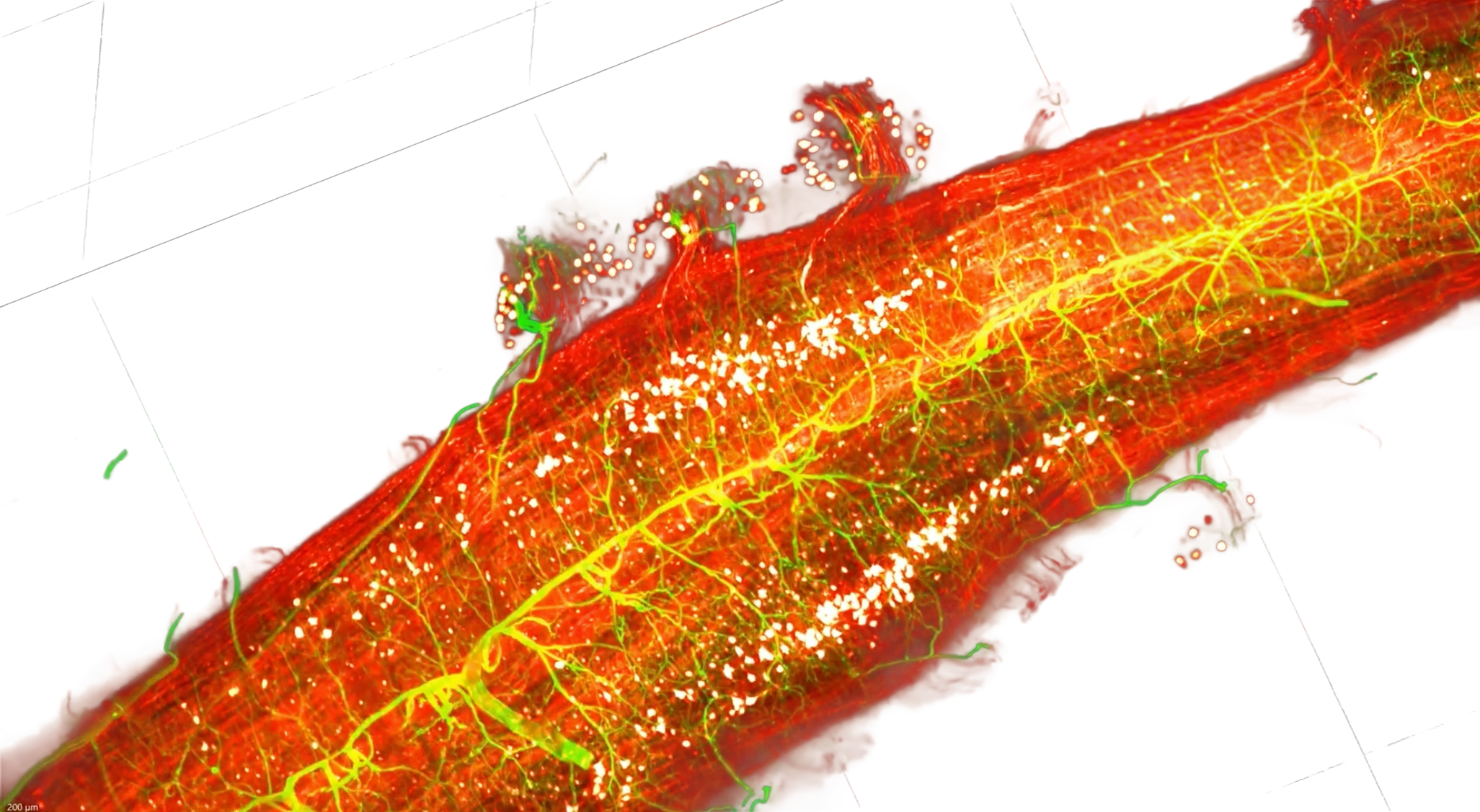

Two systems, for different research needs

XL2 and UL share a light-sheet platform and software workflow, but support different sample sizes and types.

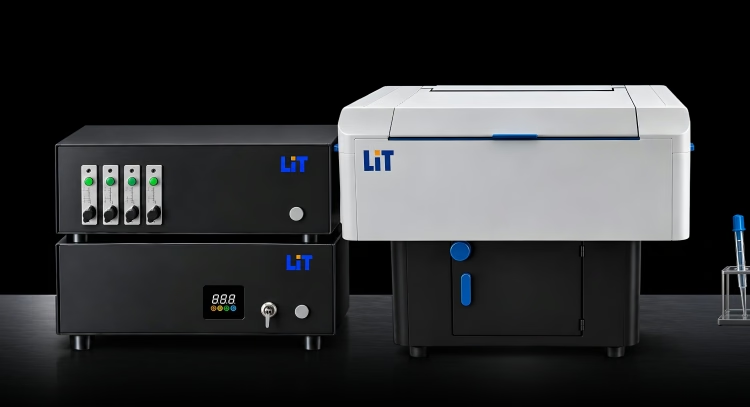
LiT XL2 and UL microscope systems on a laboratory bench

XL2

UL

Number of excitation beams
1 to 4
1 to 2
Sample size
Up to 63mm x 17mm x 20mm
Up to 46mm x 90mm x 40mm (with flip z)
Typical sample types
Organoids to whole mouse CNS
Organoids to whole mice
Alignment
Simple manual alignment
Automated calibration and alignment
Piezo Z
Optional
Standard
Motorized filter wheel
Optional
Standard
Multi-brain imaging
Up to 3 adult brains
Up to 8 adult brains
Heated chambers
Optional
Optional

XL2 Lightsheet Microscope
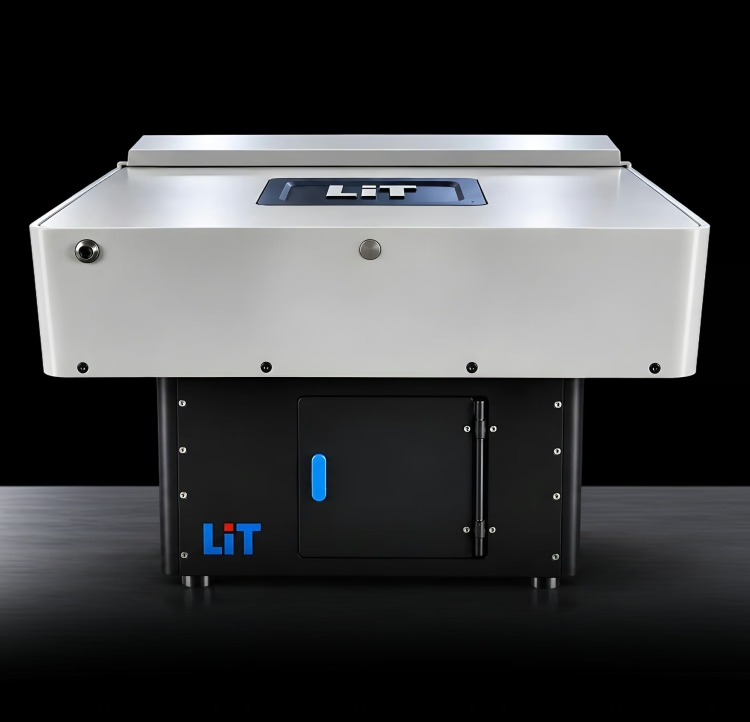
LiT XL2 microscope system
  • Number of excitation beams: 1 to 4
  • Sample size: Up to 63mm x 17mm x 20mm
  • Typical sample types: Organoids to whole mouse CNS
  • Alignment: Simple manual alignment
  • Piezo Z: Optional
  • Motorized filter wheel: Optional
  • Multi-brain imaging: Up to 3 adult brains
  • Heated chambers: Optional

UL Lightsheet Microscope

LiT UL microscope system
  • Number of excitation beams: 1 to 2
  • Sample size: Up to 46mm x 90mm x 40mm (with flip z)
  • Typical sample types: Organoids to whole mice
  • Alignment: Automated calibration and alignment
  • Piezo Z: Standard
  • Motorized filter wheel: Standard
  • Multi-brain imaging: Up to 8 adult brains
  • Heated chambers: Optional
The technology behind faster imaging

A long, thin light sheet designed to reduce side lobes, avoid clipping and improve imaging efficiency

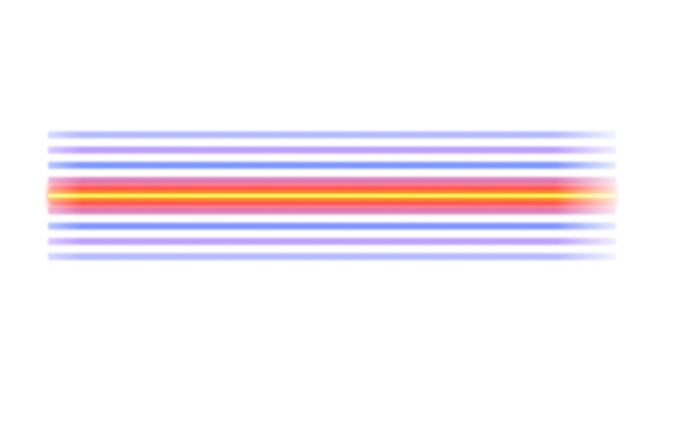
Bessel beam illumination profile with a long bright beam and visible side lobes

Bessel beam

Long propagation, but visible side lobes can add background during scanning

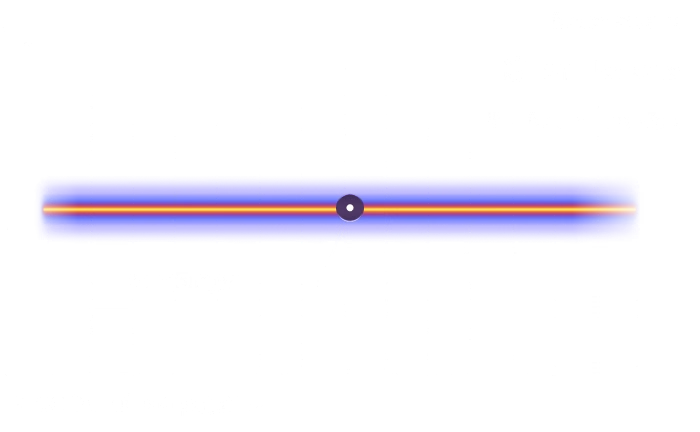
Line Bessel Sheet profile with a long thin illuminated region

Line Bessel Sheet

Long, thin illumination with reduced side lobes for a larger imaging area and faster scanning

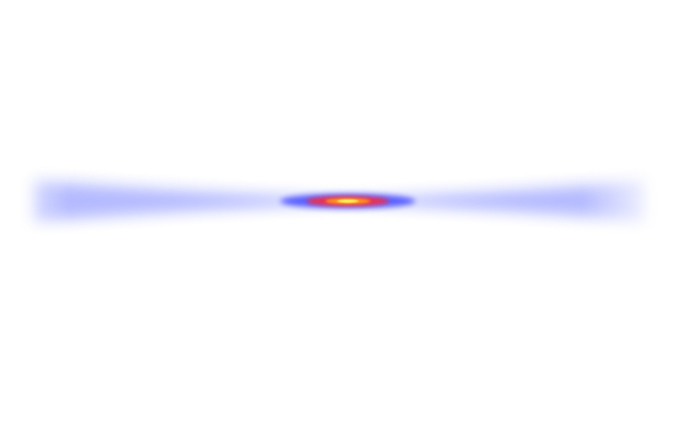
Gaussian beam profile with a short narrow focus

Gaussian

Thin at the focus, but with a shorter usable propagation range

Both systems

Find the right system for your research needs

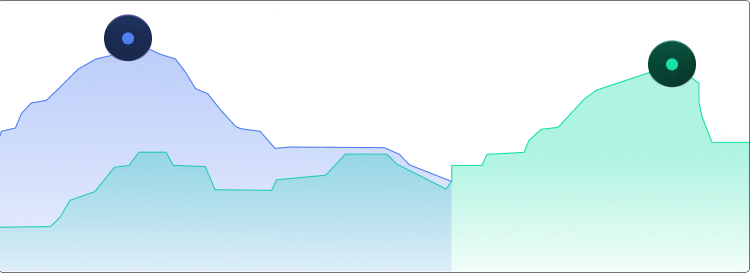
Find your scenario. The marker shows whether XL2, UL or both are applicable.

Cleared organs & tissues

Cleared mouse brain Region matching, tracing

XL2
UL

Cleared organs & tissues

Cleared mouse organs Intact 3D volumes

XL2
UL

Organoids

Organoids Multi-position

XL2
UL

Multiple sample imaging

Multi-sample acquisition Parallel workflows

XL2
UL

Embryos & live imaging

Zebrafish, Drosophila Live, multi-position

XL2
UL

Vascular structures

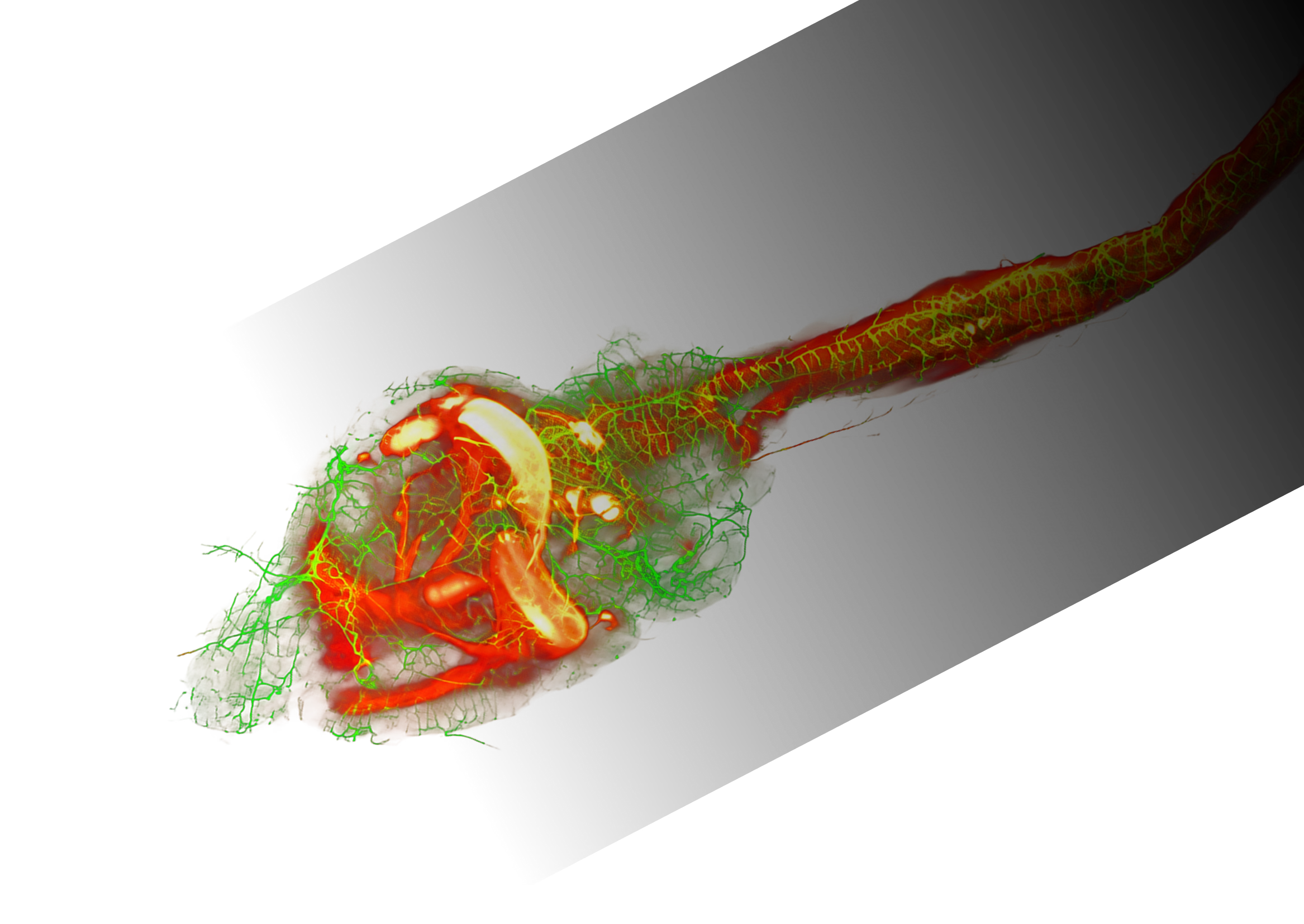
Cleared, labelled tissue Vessel and tubular tracing

XL2
UL

Large specimens

Large cleared samples Tiled, auto-stitched

XL2
UL

Different strengths. One shared workflow

Shared assay development support from imaging through processing and analysis

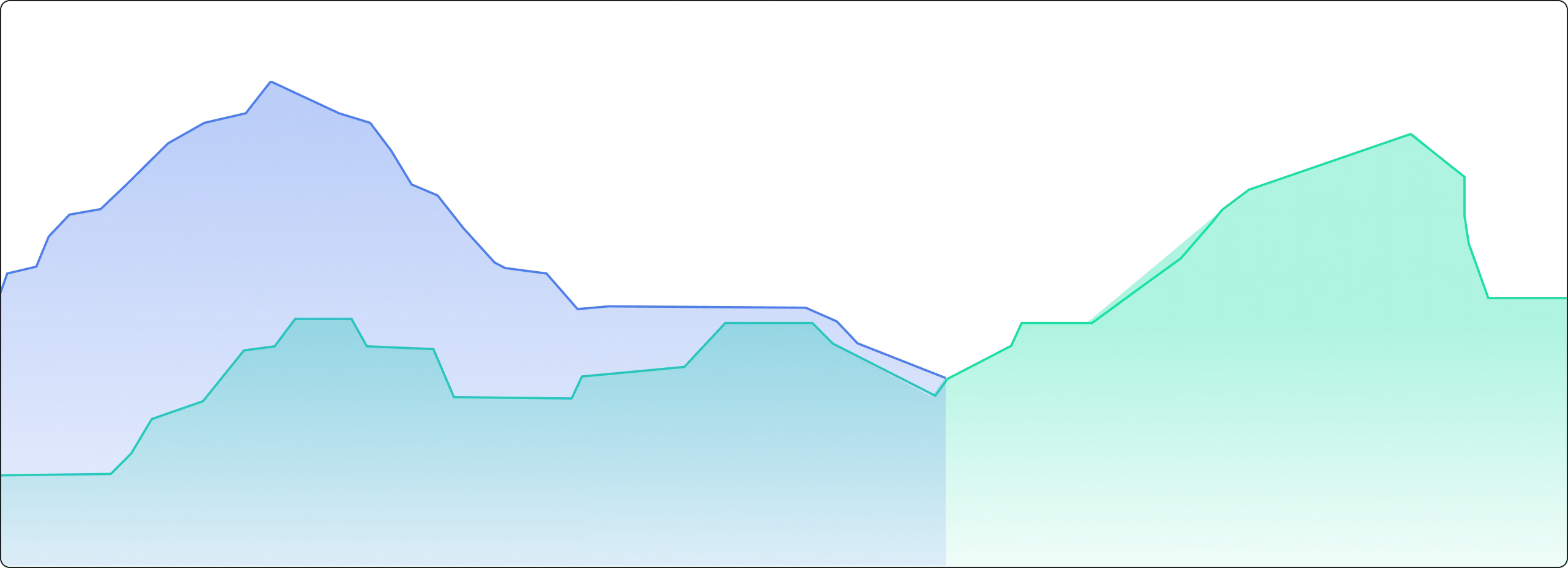
XL2: up to four beams for dense, complex or pigmented samples, with simple manual alignment. UL: two beams for large or multiple samples, with automated calibration. Both share one workflow.Comparison of XL2 and UL illumination profiles with their shared workflow region.
XL2
UL
Shared workflow
XL2
Beam illumination:Up to 4
Optimal for:Dense, complex
or pigmented samples
Alignment:Simple, manual
UL
Beam illumination:2
Optimal for:Large or multiple
sample imaging
Calibration:Automated
Shared workflow
Line Bessel Sheet technology
Long, thin light sheets for high-resolution volumetric imaging
Imaging & illumination
Illumination adapted to different sample sizes and imaging needs
LitScan software
Acquisition, stitching, processing and 3D rendering integrated in one workflow
Analysis workflow
From 3D data to segmentation, quantification and downstream analysis

Find the right system for your research